


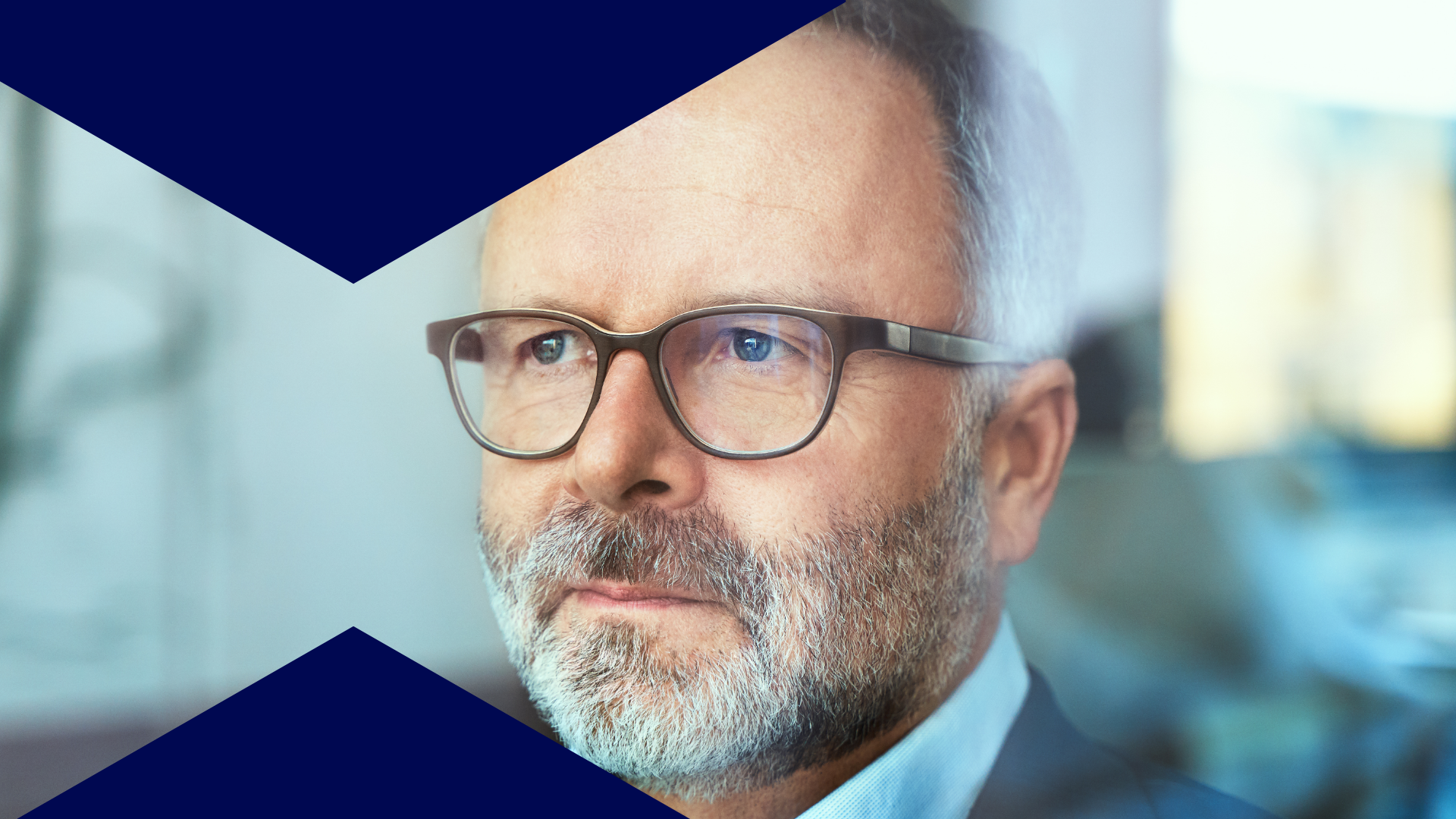
The Digital Building Summit 2025 brings together leading minds from the planning, housing industry and municipal institutions to discuss pressing issues in the digital construction and property world.
What does it take to make buildings fit for the future? Michael Schidlack, consortium leader of the research project SmartLivingNEXT, provides a clear answer to this: scalable, open and affordable solutions that can be easily integrated into the portfolio. In this interview, he reveals how data-driven services, federated platform approaches and genuine partnerships can help the housing industry escape the complexity trap. A look ahead to his keynote speech at the Digital Building Summit - and why everyone who believes in the future of smart buildings should come together there.
Mr Schidlack, you will open the second day of the Digital Building Summit with your keynote speech on the „SmartLivingNEXT“ research project. What can participants expect and what specific ideas for their buildings will you take away with you?
Michael Schidlack: Participants will gain an insight into how buildings will not only become smarter in the future, but also more sustainable, safer and more convenient. We will show a very practical way of how previous individual solutions with all their many data can work together in the future. The wheel will not be reinvented, but it will turn faster because SmartLivingNEXT acts like an upgrade for tried-and-tested and existing solutions. The result is an ecosystem that will create an unprecedented variety of digital services at very low cost. We show the benefits for residents, providers and manufacturers and how we can combine this with European data sovereignty.
Climate targets, refurbishment obligations, tight budgets: the housing industry is under enormous pressure. What smart approaches do you think are practical for overcoming these challenges?
Michael Schidlack: Housing companies need solutions that work quickly and are affordable. That's why we are focussing on simple retrofitting in existing buildings and not just on new builds. This is the only way to better reconcile climate targets, refurbishment obligations and tight budgets. The investments should provide tangible and rapid relief for tenants and the housing industry. The approach: using the innovative data room concept, data that is already generated in the building can be brought together to create a much more efficient interaction. Conceivable applications range from optimised energy monitoring to reducing the burden on administrative processes and AI-optimised building maintenance.
Energy efficiency in existing buildings often means a high level of complexity and many players. What role do platform solutions and cross-manufacturer cooperation play in making buildings truly sustainable?
Michael Schidlack: The German market for building solutions is characterised by a very competitive range of manufacturers and systems. And that's a good thing. But hardly any manufacturer can solve the complexity alone. Solutions have long been sought and found for linking systems together. However, the complexity of traditional approaches often increases rather than decreases.
Truly future-proof buildings are only created when the data from the systems of different providers is linked together in a generally accepted data space. We are thus reducing complexity. With SmartLivingNEXT, we are building a federated data space that is a superior alternative to traditional platforms. A federated approach allows all players to have full equality, it is similar to a marketplace. We see this as the best solution currently being developed.
How does your presentation on the „SmartLivingNEXT“ technology programme build a bridge to the subsequent „Building of Future“ masterclass, and what ideas will participants take away from your keynote speech to help them think ahead?
Michael Schidlack: The „Building of Future“ masterclass highlights the specific technologies, use cases and practical examples that are relevant to the participants. My presentation shows how digital and smart technologies can transform existing buildings. Openness, scalability and user-centricity are the key principles for the future viability of buildings.
If the participants take home just one key insight from your presentation - what should it be?
Michael Schidlack: The future of buildings will only come about through scalable, open and affordable solutions that can be easily integrated into everyday life in any building. They must be usable by everyone and bring together proven technologies. Smart living therefore refers to the digitalisation and networking of all living areas in new and existing buildings.
Register now and help shape the future!
The Digital Building Summit 2025 brings together experts and decision-makers - for new perspectives, concrete solutions and strong partnerships.
Register now –
and help shape the future.
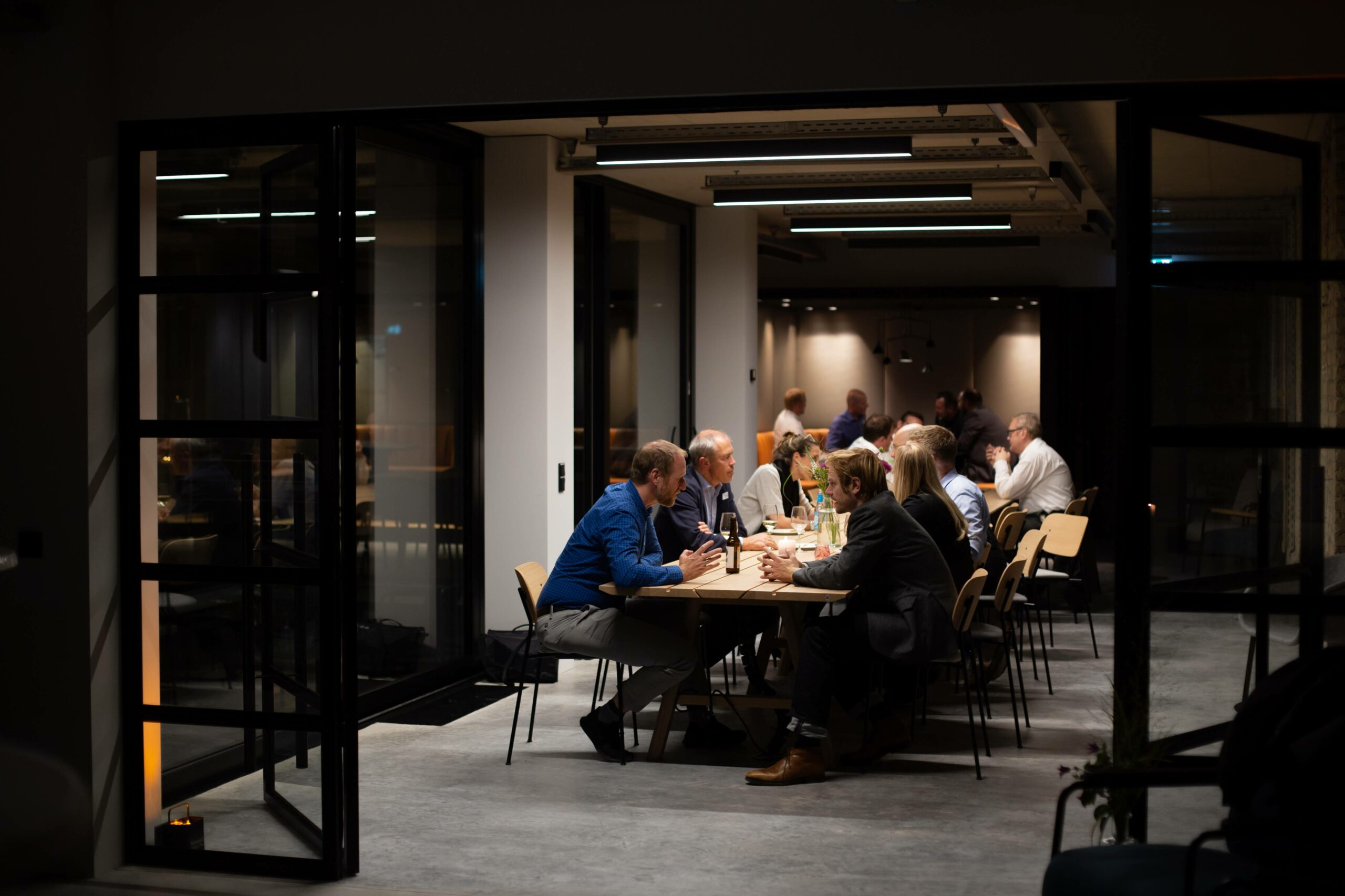
The Digital Building Summit 2025 will take place on 6 and 7 November in the Maschinenraum Berlin.
Places are limited. Be there when the future of digital buildings is rethought.